
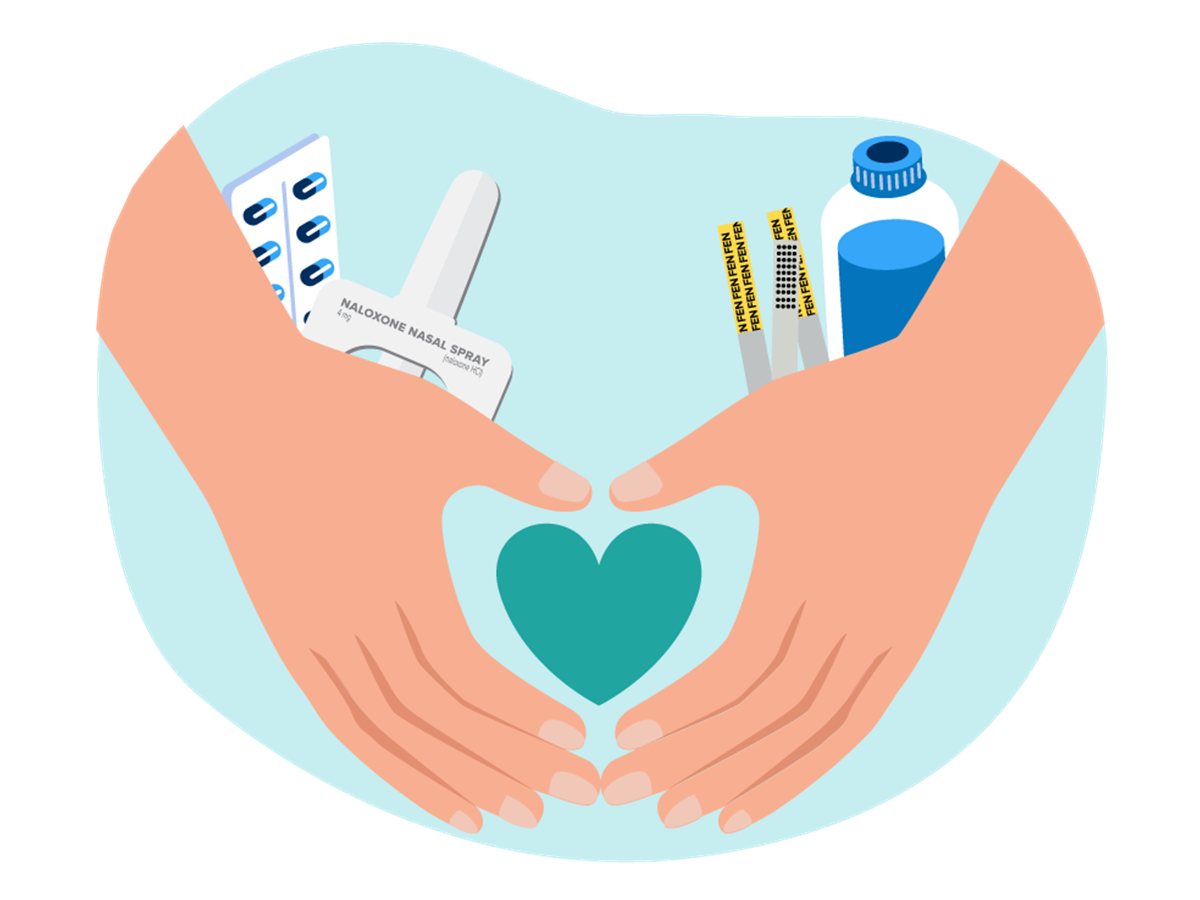
Harm reduction programs play an important role in connecting individuals with resources, education, and healthcare services. For organizations working to reach underserved populations, a mobile unit can bring these services directly into the community, making support more accessible to the people who need it.
But a successful mobile program requires more than a vehicle. The right layout, equipment, and design can help organizations create a functional space that supports their services and day-to-day operations.
At TESCO Specialty Vehicles, we build custom mobile specialty vehicles around the needs of the organizations that use them. Here's what to consider when planning a mobile unit for a harm reduction program.
What Can a Mobile Harm Reduction Unit Provide?
Harm reduction programs work to minimize the health and social risks associated with substance use while connecting individuals with appropriate resources and support.
Depending on the organization's mission, services may include overdose prevention education, naloxone distribution, access to sterile supplies, infectious disease screening, health education, and referrals to healthcare or treatment programs.
A mobile unit can give organizations a dedicated space to deliver these services at community outreach events, designated locations, and underserved areas. Rather than relying exclusively on a permanent facility, teams can bring resources closer to the populations they serve.
The key is designing a vehicle that supports the specific services your organization intends to provide.
Three Considerations When Designing Your Mobile Unit
No two harm reduction programs operate exactly alike. Before selecting a vehicle, consider how your team will use the space and what it needs to accomplish.
1. Layout and Workflow
Think about how your team will interact with visitors and deliver services throughout the day. A program focused primarily on education and resource distribution may need an open, accessible space with organized storage. Programs offering consultations may benefit from dedicated service areas or multiple rooms.
The layout should support your team's workflow while making the space practical and welcoming for visitors.
2. Privacy and Accessibility
Some services require private conversations or designated areas for consultations. Consider whether enclosed rooms or separate service areas would help your team meet those needs.
Accessibility is another important consideration. Features such as wheelchair lifts can help organizations accommodate more of the individuals they serve.
3. Equipment and Storage
Consider the supplies, technology, and equipment your team needs to carry and access regularly. Cabinets, work surfaces, seating, and connectivity options can be incorporated into a vehicle's design based on the intended use.
Planning these details early helps ensure the finished vehicle supports your program's daily operations.
Building a Vehicle Around Your Program
Once you understand your program's needs, the next step is determining which vehicle size and configuration will work best.
TESCO Specialty Vehicles offers customizable mobile specialty vehicles in a range of sizes and layouts. Depending on your program's requirements and selected vehicle, features may include:
- Custom Interior Layouts: Explore configurations with multiple rooms and designated service areas to support your program's activities.
- Technology Options: Incorporate available features such as vehicle-based Wi-Fi to support your team's operations.
- Accessibility Features: Consider available options such as wheelchair lifts to help accommodate individuals with different mobility needs.
- Custom Vehicle Graphics: Showcase your organization's logo, colors, and messaging through custom vehicle graphics designed and installed by TSV's in-house graphics team.
Vehicle size, available features, and layout depend on the selected model and project requirements. TESCO Specialty Vehicles works with customers throughout the design process to explore options that align with their intended services, equipment needs, and budget.
Bringing Your Harm Reduction Program to the Community
A mobile harm reduction unit is an opportunity to extend your organization's reach and create a dedicated space for delivering essential resources. With the right vehicle and configuration, your team can develop a mobile program that reflects its mission and adapts to the needs of the communities it serves.
At TESCO Specialty Vehicles, we work with organizations to explore vehicle options and develop custom solutions around their goals.
Interested in developing a mobile unit for your harm reduction program? Explore our specialty vehicle inventory or contact our team to discuss your project and explore your options.


